Focus On Bonding Silicone
Tel:+86 - 0755 2105 3189
E-mail: sales@bondsil.com
Food-grade high-temperature resistant silicone adhesive is a special type of adhesive that combines the environmentally friendly properties of food-grade materials with high-temperature resistance. This adhesive is primarily used for bonding food-grade pl
Epoxy acrylates cure relatively quickly, while polyurethanes cure more slowly. First, the surfaces to be bonded must be free of oil and debris; any debris must be cleaned immediately. Then, apply the adhesive to the bonding surfaces, press firmly to en
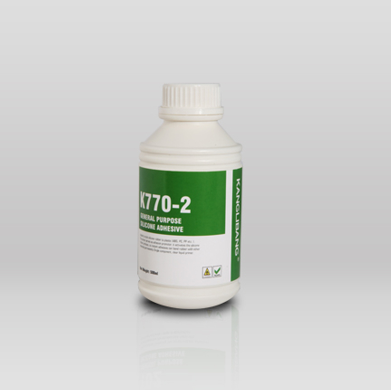
For bonding silicone mats, a specialized adhesive with high flexibility, high temperature resistance, and water resistance is required. Kanglibang silicone adhesive and liquid hot melt adhesive are recommended choices. The following is a detailed analysis
I. Core Characteristics of Liquid Hot Melt Adhesives Liquid hot melt adhesives are liquid adhesive materials formed by heating and melting hot melt adhesive particles. Compared with other adhesive materials, liquid hot melt adhesives have the following c
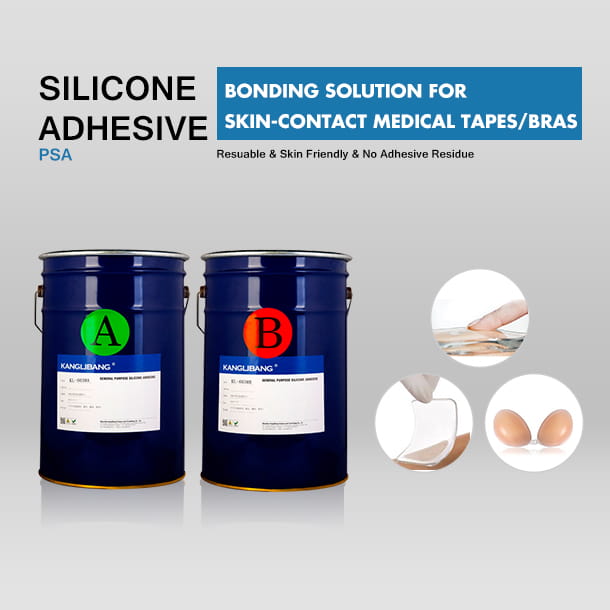
Kanglibang pressure-sensitive adhesive is a product manufactured by Shenzhen Kanglibang Technology Co., Ltd., a wholly-owned subsidiary of Kangli Industrial (Hong Kong) Co., Ltd. in mainland China. The company's main business includes silicone materia
I. Core Characteristics Pressure-Sensitive Adhesion: No heating, solvents, or additional methods are required; only light finger pressure is needed for rapid bonding to the substrate. No residue is left after peeling, and it can be reused repeatedly.
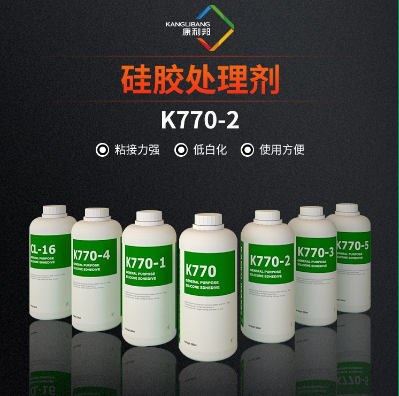
Silicone treatment agent is a multifunctional silicone adhesive treatment agent widely used in industries such as manufacturing, medical, and plastics, where silicone products are frequently used. Its main functions are as follows: 1. Improved Adhesio
The toxicity of silicone adhesives (silicone sealants or silicone glues) depends on their specific components and application scenarios, requiring a case-by-case discussion: I. Components Determine Toxicity Neutral Silicone Adhesives: Before Curing
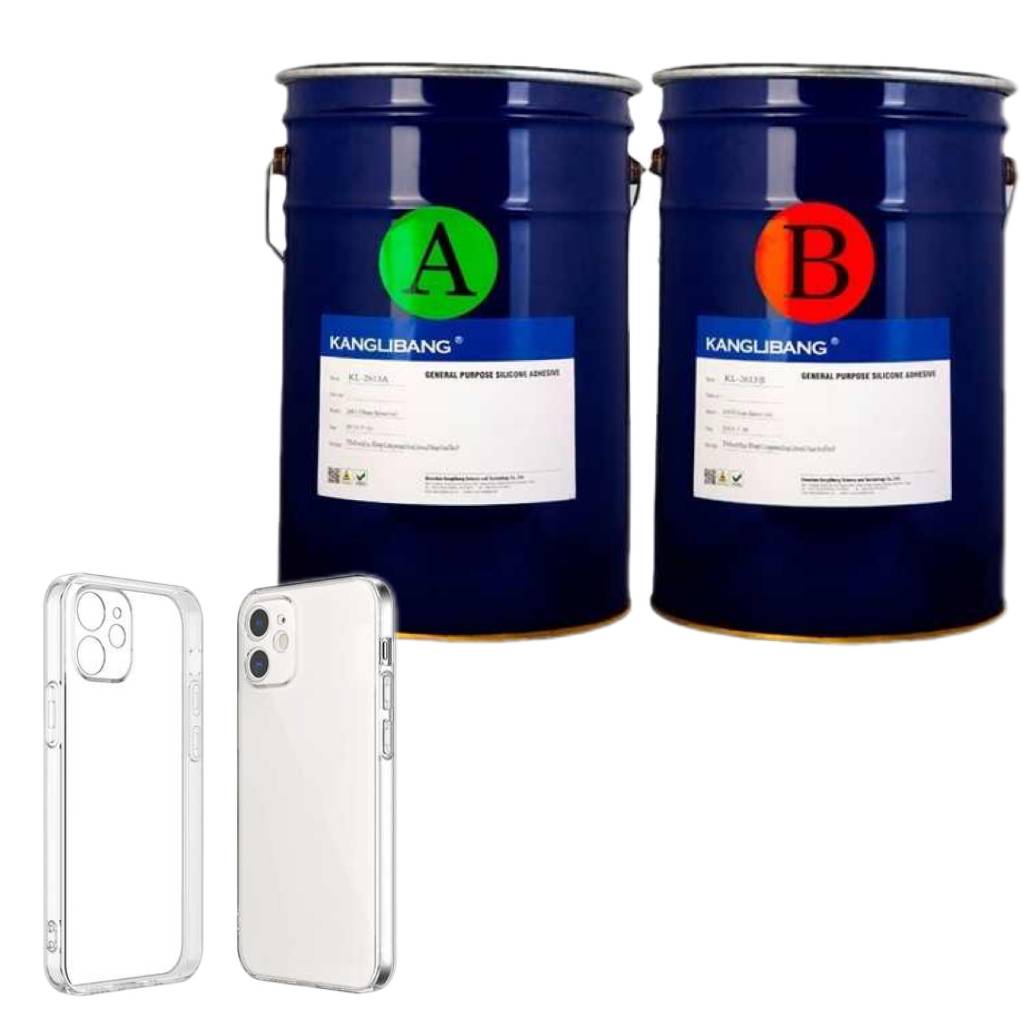
The main types of adhesives that can be used on silicone surfaces are as follows: Silicone adhesive: This is an adhesive specifically designed for bonding silicone materials. It exhibits excellent water resistance, temperature resistance, and aging res
Silicone interface agent is an interface treatment material with silicone as its core component. It is primarily used to improve the adhesion between different materials, and is widely used, especially in the construction, decoration, and industrial field
+86 755 8147 8872
H Building ,Xinwei The 3rd Industrial Park,Dalang Street,Longhua New District , Shenzhen City ,Guangdong Province ,China