Focus On Bonding Silicone
Tel:+86 - 0755 2105 3189
E-mail: sales@bondsil.com
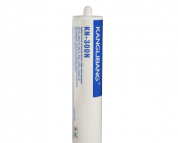
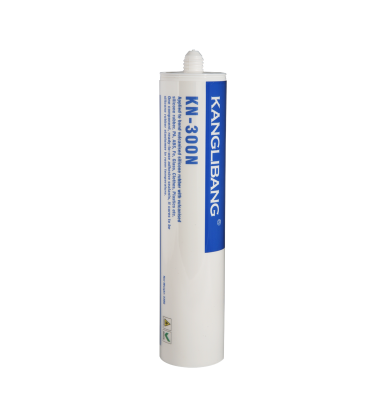
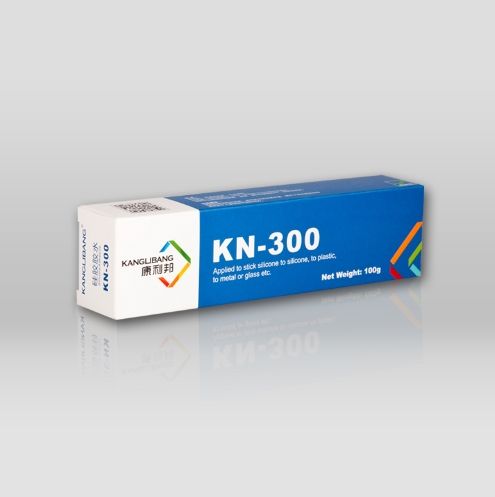
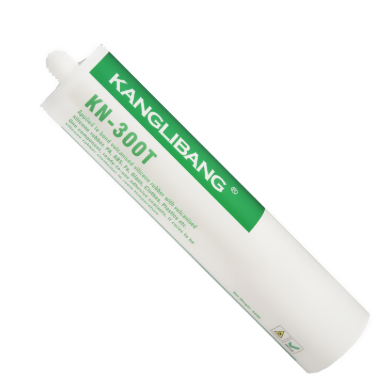
1. Slow-Drying Glue Silicone-to-Silicone KN-300 Series Glue: A silicone adhesive for bonding silicone to silicone. This non-whitening, non-hardening, soft silicone adhesive provides a permanent bond and meets silicone tear resistance standards. This impr
Poor adhesion of screen printing ink is a common problem, and solutions can be approached from multiple perspectives. The following are detailed solutions to this problem: I. Cause Analysis Poor adhesion of screen printing ink can be caused by a var
The curing time of silicone vulcanized adhesive at high temperatures is closely related to the temperature. Generally speaking, as the temperature increases, molecular motion within the adhesive intensifies, accelerating the crosslinking reaction rate
Waterproof glues are often called waterproof glues or sealants. They offer excellent water resistance and can provide long-term waterproof protection in a variety of environments. Waterproof glues are commonly used in the construction, automotive, e
Viscosity is a key parameter of adhesives. It reflects the strength of the interactions between liquid molecules during movement and is a physical measure of viscous forces. The relative movement of adjacent fluid layers during fluid flow creates frictio
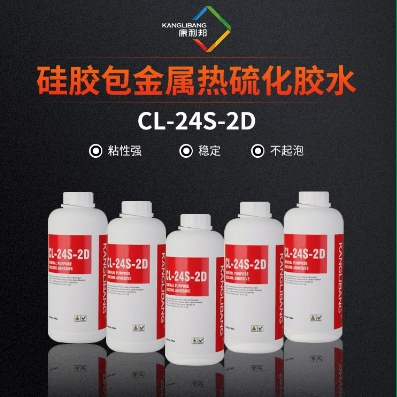
1. Selecting the Right Glue High-Temperature Hot-Vulcanized Silicone Glass Glue CL-24S-7: Silicone Glass Glue Glue Model: CL-24S-7 Packaging: 1000ml/bottle Boiling Process: High-Temperature Hot-Vulcanization Glue Characteristics: Excellent r
1. Silicone Glue (Room Temperature Curing) Suitable Applications: Small-area bonding, repairs, and handcrafts. Recommended Products: Slow-drying Glue: Such as KN-300 Silicone Soft Glue is flexible, waterproof, and heat-resistant (-50°C to 200
Water-based glue can bond metal, but you need to choose the right type based on your specific needs and pay attention to the operating conditions. The following is a detailed analysis: I. Important Considerations First, if you're using a room-temp
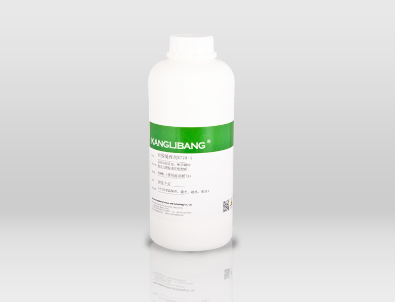
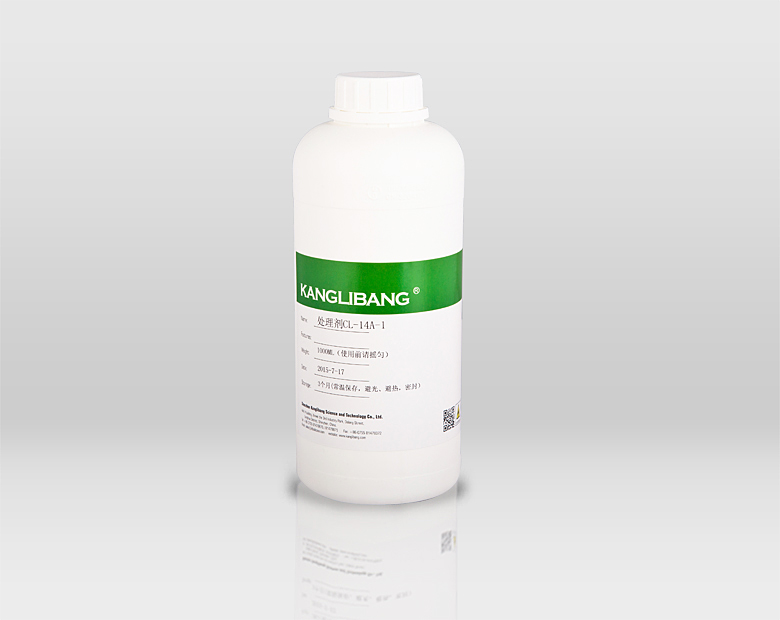
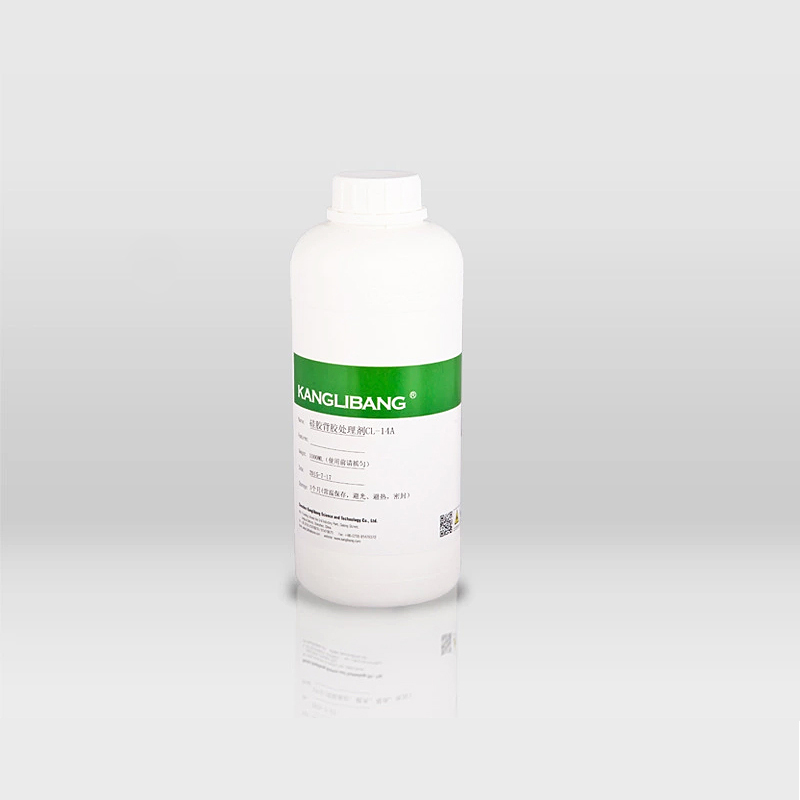
Adhesive Treatment Agent Product Model: CL-14A-1 Packaging: 20g/tube; 1kg/bottle Product Features: Activates silicone to improve adhesion; Adhesion Process: Treats silicone surfaces at room temperature; Suitable Materials: Surface treatment of elasti
The CL-14 series is Kanglibang's proprietary silicone adhesive. It's commonly used for attaching double-sided tape and self-adhesive adhesives to silicone adhesives. Apply it to the silicone surface to activate the surface activity. After the adhe
+86 755 8147 8872
H Building ,Xinwei The 3rd Industrial Park,Dalang Street,Longhua New District , Shenzhen City ,Guangdong Province ,China