
Email: sales@bondsil.com
Tel:+86 - 0755 2105 3189
Addr: H Building ,Xinwei The 3rd Industrial Park,Dalang Street,Longhua New District , Shenzhen City ,Guangdong Province ,China

What Is Silicone Soft Touch Coating?
29 Sep 2026
Silicone Soft Touch Coating: A Smoother Finish for Silicone Rubber Products
For silicone products used in daily life, the tactile feel of the surface is crucial. Whether it is a mobile phone case, a watch strap, or rubber buttons, the surface feel significantly influences the overall user experience. Silicone soft touch coating is a surface coating used to improve the tactile feel of silicone rubber products. With the right formulation and application process, it can help reduce surface tackiness and create a smoother, more comfortable finish.
For manufacturers and product developers, selecting a suitable coating means balancing touch, appearance, durability, and production requirements.
What Is Silicone Soft Touch Coating?
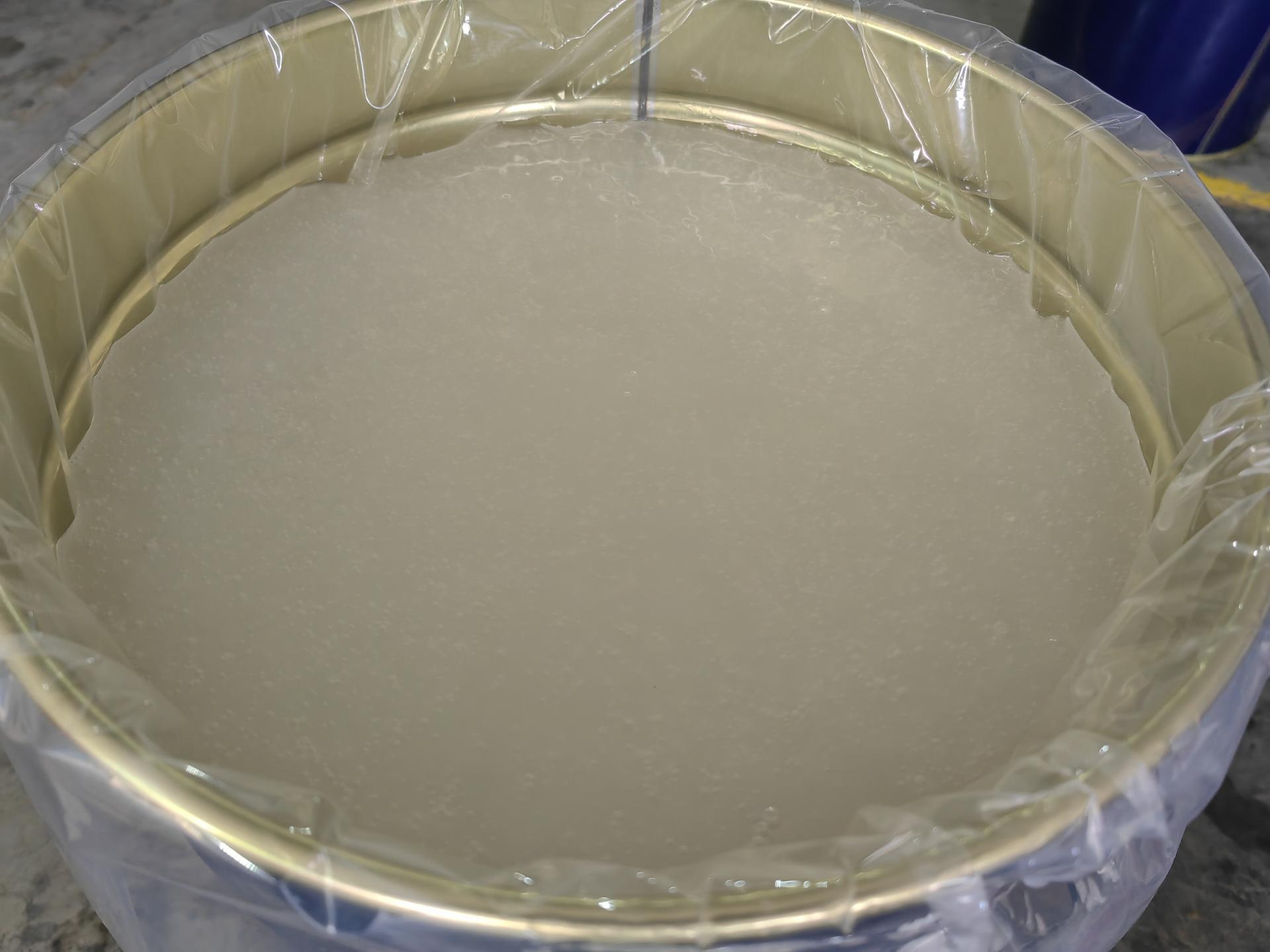
Silicone soft touch coating, also called a silicone soft-feel coating, is applied to the surface of a silicone rubber part and cured to form a thin coating layer. Unlike silicone oil used as a lubricant or processing fluid, this coating is intended to form a finished surface on the product. Its primary purpose is to modify how that surface feels. Different grades may be developed for specific requirements, such as reduced friction, a matte appearance, or improved resistance to wear.
Why Use a Soft-Touch Coating on Silicone Rubber?
Create a Smoother Surface Feel
Some silicone rubber surfaces feel tacky or produce noticeable drag when handled. A suitable soft-touch coating can help reduce this sensation and make the surface feel smoother.
This is particularly relevant to products that frequently come into contact with the hands or skin, such as phone cases and watch straps.
Help Reduce Dust Pickup
Dust and lint can be more noticeable on tacky surfaces. By reducing surface tackiness, an appropriate coating may help limit the pickup of loose particles during everyday handling.
The result depends on the coating, product surface, and conditions of use. Reduced tackiness should not be confused with guaranteed dustproof or antistatic performance.
Refine Product Appearance
Surface appearance and touch work together. Depending on the grade selected, a silicone soft touch coating may provide a matte or low-gloss finish that complements the product’s design.
Evaluating coated samples is a useful way to check color, gloss, texture, and overall consistency before production.
Meet Application-Specific Wear Requirements
Products exposed to repeated handling need a finish that retains its intended properties over time. Where wear resistance is required, the coating should be assessed using tests that reflect actual use.
Adhesion, abrasion resistance, and resistance to relevant cleaning agents or perspiration may all be important, depending on the application.
Common Applications
Soft-touch coatings are used on a range of silicone rubber products, including:
-
Silicone phone cases: To refine surface feel and improve comfort during handling.
-
Watch straps and wristbands: To provide a smoother finish on frequently worn accessories.
-
Silicone keypads and buttons: To improve the tactile quality of surfaces touched repeatedly.
-
Molded silicone accessories: To achieve a consistent finish across consumer product components.
How Do You Apply Silicone Soft Touch Coating?
1. Clean and Prepare the Silicone Surface
Make sure the silicone part is clean, dry, and free from dust, oil, and mold release residues. Alcohol or xylene can be used to clean the silicone surface.
2. Prepare the Coating Mixture
Add 3%of platinum catalyst into the silicone resin for mixture and dilute with solvent white spirit ,try small quantity first followed by mass input of the solvent when diluting the silicone resin. Mixing weight ratio: Catalyst: Silicone Resin: White Spirit= 4 : 100: 500
3. Apply a Thin, Even Layer
For spray application, adjust the spray equipment according to the product’s recommended settings and the shape of the part. Apply a thin, uniform layer with consistent coverage. Avoid excessive buildup, which can affect appearance, surface feel, and curing.
4. Cure According to the Product Specifications
Baking Condition:(180-200℃) 5 –10 min
Confirm that the silicone part and any attached components can tolerate the selected curing conditions.
5. Inspect the Finished Parts
After curing and cooling, check the surface for uniform appearance, desired touch, and coating defects. Evaluate adhesion and relevant durability properties according to the recommended test procedures before starting volume production.
Choosing a silicone soft touch coating starts with understanding your product and the finish you want to achieve.
Contact KANGLIBANG with your application, silicone material, desired surface feel, and production conditions. Include any durability requirements or reference samples to help identify a suitable coating for evaluation.
Looking for a smoother finish for your silicone products? Contact us to discuss your application.