
Email: sales@bondsil.com
Tel:+86 - 0755 2105 3189
Addr: H Building ,Xinwei The 3rd Industrial Park,Dalang Street,Longhua New District , Shenzhen City ,Guangdong Province ,China

What types of medical-grade adhesives are available?
03 Aug 2026
The core requirements for medical-grade adhesives are biocompatibility, low irritation, and no toxic leaching. They are divided into three main categories: pressure-sensitive adhesives for external skin use, instrument assembly adhesives, and human tissue bonding adhesives, which are suitable for different medical scenarios such as dressings, catheters, and surgical consumables.
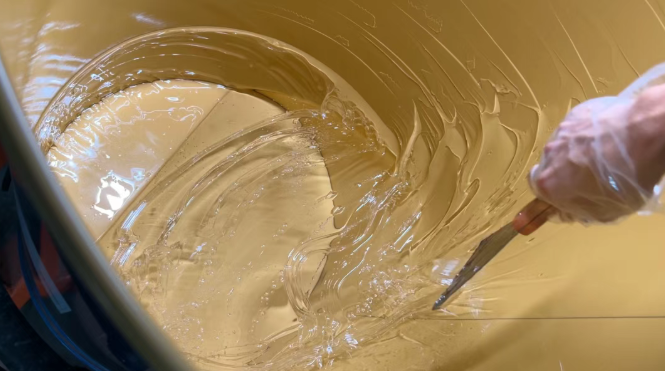
I. Silicone Gel Pressure-Sensitive Adhesive (For Skin Dressings)
Medical-grade condensation-type silicone gel pressure-sensitive adhesive is a mainstream type of mild, skin-friendly adhesive.
Performance Characteristics: Skin-like feel, gentle and long-lasting adhesion, leaves no residue after removal, and is unlikely to damage delicate skin; low irritation, environmentally friendly, and free of harmful substances; cures at room temperature.
Applications: Fever-reducing patches, scar patches, medical chest patches, TPU/silicone-based medical dressings, suitable for long-term application to sensitive skin.
II. Medical-Grade Cyanoacrylate Instant Adhesive (Wound Sealing + Instrument Assembly)
Available in two specifications: skin tissue adhesive and instrument assembly adhesive.
Skin Adhesive: Cures rapidly in seconds, suitable for superficial wound adhesion, replacing small sutures, and has antibacterial properties; only suitable for the epidermis, not for mucous membranes or deep wounds.
Instrument Adhesive: Used for rapid bonding of syringes, catheters, and plastic medical accessories; fast curing and high bonding strength.
Limitations: The adhesive layer is relatively brittle and not suitable for flexible consumables subject to repeated bending.
III. Medical Polyurethane Adhesives (Flexible Medical Consumables)
Excellent biocompatibility, highly elastic adhesive layer, resistant to bending, water, and sweat.
Advantages: Compatible with silicone, TPU, and PVC film composites; non-irritating to skin; suitable for breathable medical tapes, dialysis tubing, and elastic dressing adhesives.
Sub-categories: Water-based polyurethane is more environmentally friendly and suitable for disposable medical consumables; solvent-based polyurethane offers higher bonding strength and is suitable for roll coating mass production.
IV. Epoxy Medical Structural Adhesives (Rigid Medical Device Bonding)
Two-component epoxy adhesive with high cross-linking density, resistant to sterilization and chemical corrosion.
Applicable Scenarios: Bonding of surgical instruments, metal implants, and rigid plastic medical device shells; withstands ethylene oxide and high-temperature sterilization.
Limitations: High adhesive layer rigidity; unsuitable for flexible films and skin dressings.
V. Bioabsorbable Tissue Adhesive (For Intraoperative Use)
Includes two types: fibrin adhesive and PEG hydrogel. These are gradually degraded and absorbed by the human body.
Features: Biocompatible, no rejection reaction. Used for sealing and hemostasis of wounds in internal organs, blood vessels, and soft tissues. Often used for deep surgical wounds.
Product Recommendation
Product Name: KL-6638A/B Silicone Gel Pressure-Sensitive Adhesive
Product Introduction: Two-component condensation-type medical silicone gel pressure-sensitive adhesive, environmentally friendly polymer system, room temperature and humidity curing, specifically developed for skin contact medical dressings.
Product Characteristics: Skin-friendly feel, long-lasting gentle pressure sensitivity, easy to remove and clean without residue, good biocompatibility, low irritation and does not harm the skin.
Application Areas: Coating and production of skin contact medical patches such as fabric bras, fever-reducing patches, scar patches, and TPU medical dressings.